Why Recovery Is Just as Important as Your Workout
Jul 1, 2026
by Stephen Conca
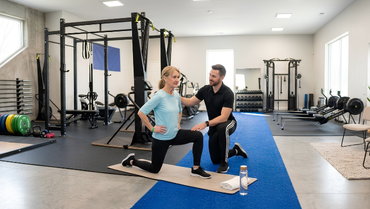
The Workout Ends When You Leave the Gym. The Results Begin After.
Many people believe the hardest part of getting fit is the workout itself.
They focus on pushing harder.
Lifting heavier.
Doing more.
But there is one part of fitness that often gets ignored, even though it plays an enormous role in your progress:
👉 Recovery.
Your body does not become stronger while you are exercising.
It becomes stronger after the workout, when it has time to repair, adapt, and rebuild.
If recovery is poor, your results will eventually stall no matter how hard you train.
That is why successful fitness programs combine challenging workouts with proper recovery strategies, something emphasized in personal training programs that focus on long-term progress rather than quick fixes.
What Recovery Actually Means
Recovery is much more than taking a day off.
It is everything that helps your body prepare for the next workout.
This includes:
✅ Quality sleep
✅ Proper nutrition
✅ Hydration
✅ Mobility work
✅ Managing stress
✅ Planned rest days
Recovery is an active part of your training plan, not something you earn only when you feel exhausted.
Why Recovery Matters More Than Most People Think 💪
Many people assume progress comes from working harder.
In reality, progress happens because your body has time to adapt.
When you recover properly, you can:
✔ Build muscle more efficiently
✔ Improve strength
✔ Reduce soreness
✔ Maintain energy
✔ Stay consistent
Without recovery, every workout becomes more difficult than it needs to be.
The Hidden Cost of Skipping Recovery
Ignoring recovery usually does not create problems overnight.
Instead, the effects build gradually.
You may notice:
😴 Constant fatigue
😣 Lingering soreness
📉 Slower strength gains
🤕 Increased risk of injury
😞 Reduced motivation
Many people think they simply need to push harder.
Often, they actually need better recovery.
Sleep Is Your Greatest Recovery Tool 😴
No supplement or workout can replace quality sleep.
While you sleep, your body performs important recovery processes that support:
- Muscle repair
- Hormone regulation
- Energy restoration
- Mental focus
Aim for seven to nine hours of quality sleep whenever possible.
Small improvements in sleep often produce noticeable improvements in performance.
Nutrition Supports Recovery From the Inside Out 🥗
Your body needs fuel after training.
A balanced diet with enough protein, carbohydrates, healthy fats, vitamins, and minerals supports:
- Muscle repair
- Energy replenishment
- Reduced fatigue
- Long-term performance
Many people benefit from nutrition coaching services that help them match their eating habits to their fitness goals without relying on restrictive diets.
Mobility Helps You Keep Moving Well
Recovery is not just about muscles.
Healthy joints and good movement patterns matter too.
Simple mobility exercises can improve:
- Range of motion
- Flexibility
- Joint comfort
- Movement quality
- Mobility work also helps many people feel better during everyday activities, not just during workouts.
That is one reason many members enjoy combining strength training with wellness, and mobility-focused coaching as part of a complete fitness plan.
Rest Days Make You Stronger
Some people feel guilty taking a day off.
They worry they will lose progress.
The opposite is often true.
Rest allows your body to recover so you can return stronger, more energized, and ready to perform.
Recovery days are not setbacks.
They are investments in future progress.
What Good Recovery Looks Like
An effective fitness routine balances effort and recovery.
A typical week might include:
🏋️ Three or four structured strength training sessions
🚶 Light movement on recovery days
🧘 Mobility exercises
😴 Consistent sleep schedule
🥙 Balanced nutrition
This approach allows steady progress without excessive fatigue.
Many people following small group fitness coaching programs find it easier to maintain this balance because recovery is built into the overall training plan.
Common Recovery Mistakes
Training Hard Every Day
More is not always better.
Your body needs time to rebuild.
Ignoring Sleep
Late nights can quickly undermine even the best workout program.
Not Eating Enough
Recovery requires fuel.
Undereating slows progress.
Believing Soreness Equals Success
Feeling sore does not necessarily mean you had a better workout.
Consistent progress matters far more.
A Simple Recovery Checklist ✅
After each workout, ask yourself:
✔ Did I hydrate?
✔ Am I eating enough protein?
✔ Did I get quality sleep?
✔ Have I scheduled my next recovery day?
✔ Am I listening to how my body feels?
These small habits often produce bigger improvements than adding another workout.
Final Thoughts 🚀
Fitness is not about training as hard as possible every single day.
It is about creating a sustainable balance between effort and recovery.
When you prioritize recovery, you improve your ability to:
- Build strength
- Increase energy
- Stay consistent
- Reduce injuries
- Enjoy training for years to come
The strongest, healthiest people are not simply the ones who work the hardest.
They are the ones who recover the smartest.
And with the guidance of fitness coaching services, recovery becomes an intentional part of your plan instead of an afterthought.
❓
FAQ Section
Why is recovery important after exercise?
Recovery allows your muscles to repair, reduces fatigue, and prepares your body for future workouts.
How many recovery days should I take?
Most adults benefit from one or two recovery days each week, depending on their training intensity and fitness level.
Does sleep affect muscle growth?
Yes. Sleep supports muscle repair, hormone balance, and overall recovery.
Is stretching enough for recovery?
Stretching helps, but complete recovery also includes proper nutrition, hydration, sleep, and rest.