Why Adults Over 40 Need a Different Approach to Fitness
May 15, 2026
by Stephen Conca
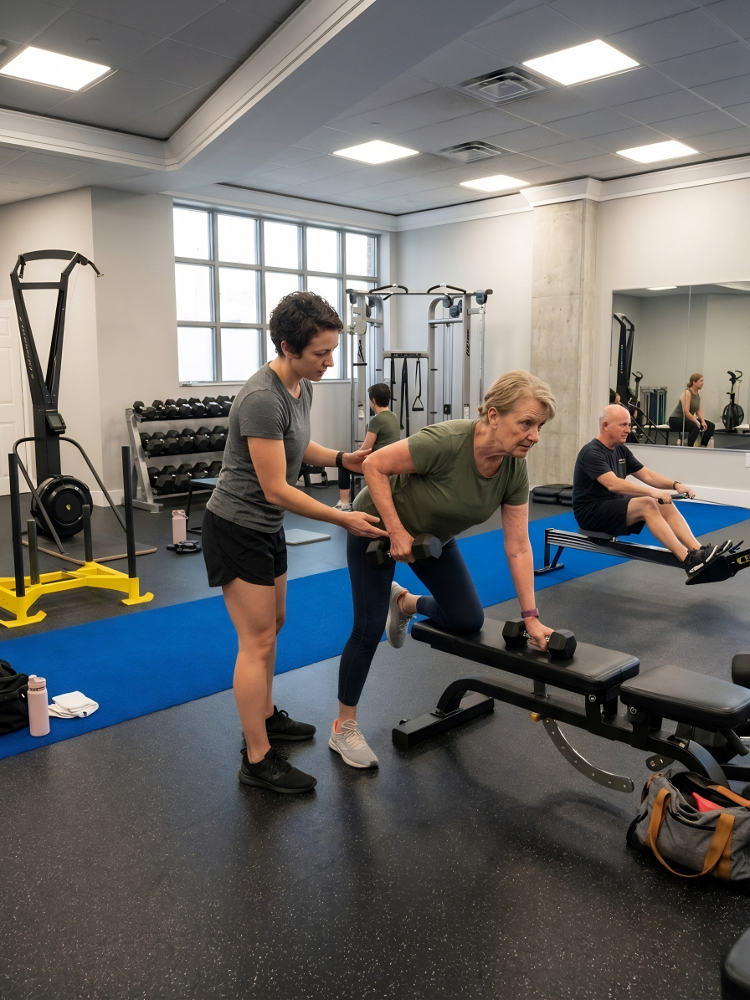
Your Body Changes After 40, and Your Training Should Too
A lot of people hit their 40s and suddenly feel frustrated.
The workouts that used to work stop delivering results.
Recovery feels slower.
Old injuries start showing up again.
Energy levels change.
So they assume one of two things:
👉 “I just need to work harder.”
👉 “Getting older means feeling worse.”
Neither is true.
The real issue is this:
Most fitness programs are not designed for adults over 40.
They are built around intensity, exhaustion, and pushing harder at all costs.
But after 40, smarter training beats harder training every time.
That is exactly why more adults are turning toward adult fitness coaching programs that focus on strength, mobility, recovery, and long-term health instead of random high-intensity workouts.
What Changes After 40
This is where many people get confused.
Your body is not “broken” after 40.
But it does respond differently.
Muscle Loss Becomes Real 💪
Adults naturally lose muscle mass as they age.
That matters because muscle impacts:
✅ Metabolism
✅ Energy
✅ Joint support
✅ Balance
✅ Bone health
This is why strength training becomes more important with age, not less.
At Conca Sport and Fitness, strength-focused coaching is a major part of helping adults improve their quality of life and maintain long-term vitality.
Recovery Takes Longer ⏱️
The “go hard every day” mentality often backfires.
Poor recovery leads to:
- Soreness that lasts for days
- Increased injury risk
- Burnout
- Inconsistent training
This is why structured programming matters so much after 40.
The right balance of strength work, conditioning, mobility, and recovery creates progress without constantly beating your body up.
Mobility Starts Affecting Daily Life
Most people do not notice mobility loss immediately.
It shows up subtly:
- Stiffness getting out of bed
- Shoulder tightness
- Knee discomfort
- Back pain while sitting or driving
Over time, these things affect everyday life far more than people realize.
That is why many adults are now prioritizing wellness and mobility coaching programs alongside traditional training.
What Most Fitness Programs Get Wrong
The fitness industry still markets like everyone is 25 years old.
Extreme bootcamps.
Endless cardio.
High intensity every day.
The problem?
Most adults over 40 do not need more punishment.
They need more precision.
A smarter program focuses on:
✅ Movement quality
✅ Sustainable progress
✅ Recovery management
✅ Individualized coaching
✅ Consistency over intensity
That approach creates results people can actually maintain long-term.
What Actually Works After 40
1. Strength Training Comes First 🏋️
Strength training is one of the most effective ways to:
- Improve metabolism
- Maintain muscle mass
- Support joints
- Improve confidence
- Increase energy
This does not mean lifting recklessly.
It means following a structured progression designed around your current ability and goals.
That is why many adults thrive in small group personal training programs where workouts are coached and individualized instead of random.
2. Recovery Becomes Part of the Program
Recovery is not “doing less.”
Recovery is what allows progress to happen.
That includes:
- Mobility work
- Sleep quality
- Stress management
- Nutrition support
- Intelligent programming
At Conca Sport and Fitness, wellness and nutrition support are integrated into the coaching model because training alone is rarely enough for sustainable change.
3. Accountability Matters More Than Motivation 🤝
Most adults over 40 are busy.
Careers. Families. Stress. Responsibilities.
Motivation becomes unreliable.
That is why accountability systems matter so much.
Structured coaching environments help people stay consistent even during stressful seasons of life.
And consistency is what actually creates transformation.
Real Life Example
Person A:
Tries random online workouts
Pushes too hard
Gets sore constantly
Falls off repeatedly
Result:
No consistency
Minimal progress
Frustration
Person B:
Follows a structured coaching program
Trains 3 to 4 times weekly
Balances strength and recovery
Gets guided support
Result:
More energy
Better mobility
Improved strength
Long-term consistency
The difference is not age.
The difference is the system.
The Biggest Mistake Adults Over 40 Make
Trying to train like they did at 25.
Your goal now is not punishment.
It is longevity.
You want:
- Strength that supports daily life
- Energy throughout the day
- Fewer aches and pains
- Confidence in your body
- Sustainable health long term
That requires a different approach.
What to Look for in a Fitness Program After 40
If you are choosing a gym or coaching program, look for:
✅ Personalized coaching
✅ Strength-focused programming
✅ Mobility and recovery support
✅ Sustainable progression
✅ A welcoming environment
✅ Coaches who understand adult fitness specifically
This is exactly why coaching-based environments like personal training for adults over 40 continue growing in popularity.
Final Thought 💥
Getting older does not mean lowering your standards.
It means training smarter.
The right fitness program after 40 should help you:
- Move better
- Feel stronger
- Recover properly
- Stay active long term
Not leave you exhausted and broken down.
Because real fitness is not about surviving workouts.
It is about building a body that supports the life you actually want to live.
❓ FAQ Section
Is strength training safe after 40?
Yes. When properly coached, strength training is one of the safest and most effective ways to improve long-term health and mobility.
How many days per week should adults over 40 train?
Most adults see excellent results with 3 to 4 structured sessions per week.
Should adults over 40 still do cardio?
Yes, but cardio should complement strength training instead of replacing it.
What is the best type of fitness program after 40?
Programs focused on coaching, mobility, strength, recovery, and accountability tend to produce the best long-term results.