The Truth About Fitness Plateaus and How to Break Through Them
Aug 1, 2026
by Stephen Conca
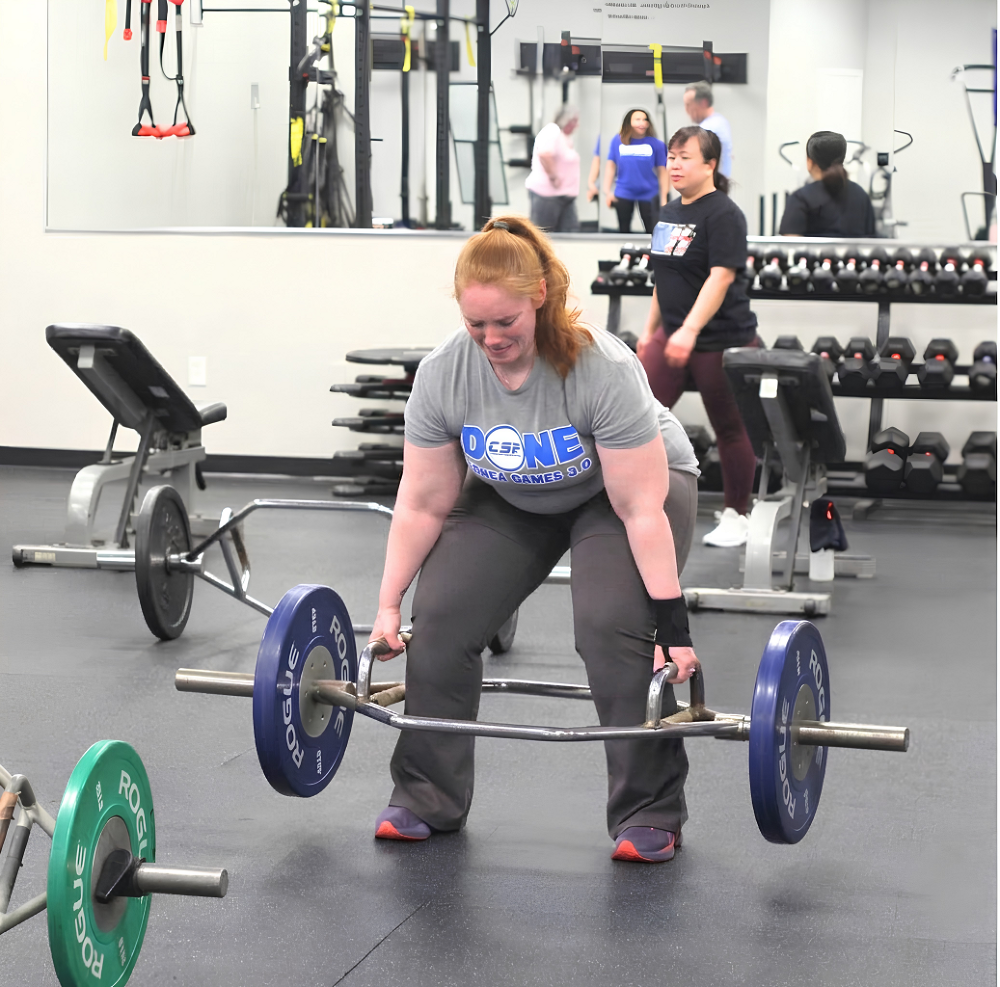
Feeling Stuck Does Not Mean You Have Stopped Improving
Almost everyone who exercises consistently experiences it.
The workouts that once felt challenging become comfortable.
The scale stops moving.
Strength gains slow down.
Progress feels like it has come to a complete stop.
Many people assume this means they have reached their limit.
In reality, a plateau is often a sign that your body has adapted to your current routine.
That is actually good news.
It means your body is becoming stronger and more efficient.
The next step is not working harder.
It is working smarter.
That is why many people choose personal training services where workouts are adjusted regularly to keep progress moving forward.
📈 What Is a Fitness Plateau?
A fitness plateau happens when your body adapts to the demands of your current training program.
As your body becomes more efficient, the same workout creates less challenge.
The result?
Progress naturally slows.
This can happen whether your goal is:
✅ Building strength
✅ Losing body fat
✅ Improving endurance
✅ Increasing athletic performance
A plateau is not failure.
It is simply your body's way of telling you it is ready for a new challenge.
💪 Why Most People Stay Stuck
The biggest mistake is assuming that doing more of the same will eventually create different results.
Here are a few common reasons people hit a plateau.
Repeating the Same Workouts
If every workout looks identical for months, your body has very little reason to adapt further.
Never Increasing the Challenge
Your muscles need progressive overload.
That could mean:
- Lifting slightly heavier weights.
- Completing more repetitions.
- Improving technique.
- Reducing rest periods.
- Small improvements add up over time.
Ignoring Recovery 😴
Progress happens between workouts.
Without quality sleep, hydration, nutrition, and recovery, your body cannot fully adapt.
Many members find that combining training with nutrition coaching services helps support recovery and maximize results.
Focusing Only on the Scale
The scale tells only part of the story.
You may be:
- Building muscle.
- Improving posture.
- Increasing strength.
- Reducing body fat.
- Feeling more energetic.
These are meaningful forms of progress that deserve attention.
🚀 Five Ways to Break Through a Plateau
1. Change Your Training Program
If you have been following the same routine for several months, it is probably time for a new challenge.
Changing exercise selection, training volume, or intensity helps stimulate new progress.
Structured strength and conditioning programs are designed to evolve as your fitness improves.
2. Prioritize Strength Training
Many people increase cardio when progress slows.
In reality, adding more strength training often creates better long-term results.
Building muscle helps support:
✅ Metabolism
✅ Bone health
✅ Joint stability
✅ Functional strength
3. Improve Your Technique
Better movement often produces better results.
Proper form allows you to:
- Lift more efficiently.
- Reduce injury risk.
- Target the correct muscles.
Professional coaching makes a significant difference here because small adjustments can produce noticeable improvements.
4. Pay Attention to Recovery
Recovery is not optional.
Ask yourself:
- Am I sleeping enough?
- Am I eating enough protein?
- Am I taking recovery days?
- Am I managing stress?
Sometimes improving recovery creates faster progress than adding another workout.
5. Set a New Goal 🎯
Goals create direction.
Instead of focusing only on weight loss, consider goals like:
- Completing your first unassisted pull-up.
- Increasing your squat strength.
- Improving balance.
- Running farther without stopping.
- Learning a new movement.
Fresh goals often reignite motivation.
🏆 Real World Example
Imagine two people who have both been exercising for six months.
Person One
Continues doing the exact same workout every week.
Uses the same weights.
Avoids challenging exercises.
Progress slows.
Person Two
Works with a coach.
Adjusts workouts every few weeks.
Tracks strength improvements.
Prioritizes recovery.
Continues progressing month after month.
The difference is not genetics.
The difference is having a plan that evolves.
That is exactly what many people appreciate about small group training programs, where workouts are designed to progress with your abilities instead of staying the same forever.
⚠️ Common Plateau Mistakes
Adding More Exercise Instead of Better Exercise
More workouts are not always the answer.
Better programming usually is.
Comparing Yourself to Others
Everyone progresses at a different pace.
Focus on your own improvements.
Expecting Constant Progress
Fitness is not perfectly linear.
Some weeks you improve quickly.
Other weeks your body is adapting behind the scenes.
Consistency always wins.
Quitting Too Soon
Many people give up just before their next breakthrough.
Stay patient.
Progress often comes in waves.
✅ A Simple Plateau Checklist
The next time progress slows, ask yourself:
✔ Have I increased the challenge recently?
✔ Am I following a structured plan?
✔ Am I recovering properly?
✔ Am I tracking more than just body weight?
✔ Do I need guidance from a coach?
If you answered "no" to several of these questions, your plateau probably has a solution.
🌟 Final Thoughts
Fitness plateaus happen to beginners, experienced athletes, and everyone in between.
They are not a sign to quit.
They are a signal that your body is ready for the next step.
With smart programming, proper recovery, and consistent effort, you can continue making progress for years.
Working with professional fitness coaching services helps remove the guesswork by providing structured progression, accountability, and expert guidance so every stage of your fitness journey continues moving in the right direction.
❓ FAQ Section
How long does a fitness plateau usually last?
It depends on the cause. With proper adjustments to training, nutrition, and recovery, many people begin seeing progress again within a few weeks.
Should I completely change my workout routine?
Not necessarily. Small changes in intensity, volume, or exercise selection are often enough to restart progress.
Can poor recovery cause a plateau?
Yes. Inadequate sleep, poor nutrition, and insufficient recovery can all slow progress.
Is it normal to hit multiple plateaus?
Absolutely. Plateaus are a normal part of long-term fitness. Each one is an opportunity to adjust your approach and continue improving.